Common Issues and Fixes for Household Appliances
- henrichsenterprise
- Jun 5, 2025
- 4 min read

Household appliances make our lives easier, but like all machines, they can sometimes malfunction. Understanding common problems and their solutions can save you stress, time, and money. This guide will help you troubleshoot some typical issues you may encounter with your appliances, empowering you to fix problems on your own or recognize when it's time to call for professional help.
Common Appliance Repairs
From refrigerators to washing machines, many appliances are essential for daily living. However, it’s normal for these devices to experience hiccups. Below are some common household appliances and the issues you might face with each.
Refrigerators
Refrigerators are supposed to keep your food fresh, but they can occasionally fail to maintain the right temperature. Here are some common issues:
Not Cooling Properly: If your refrigerator isn't cooling well, it could be due to a faulty thermostat or a blocked air vent. Start by checking the temperature settings first. If everything seems correct, consider cleaning the coils at the back of the unit.
Excessive Noise: Strange noises can indicate various issues, from an unbalanced fridge to a failing fan motor. Inspect the leveling of your fridge and make sure nothing is obstructing the fan.
Water Leaking: A common cause of leaks is a clogged defrost drain. Make sure to check and clear any blockages.

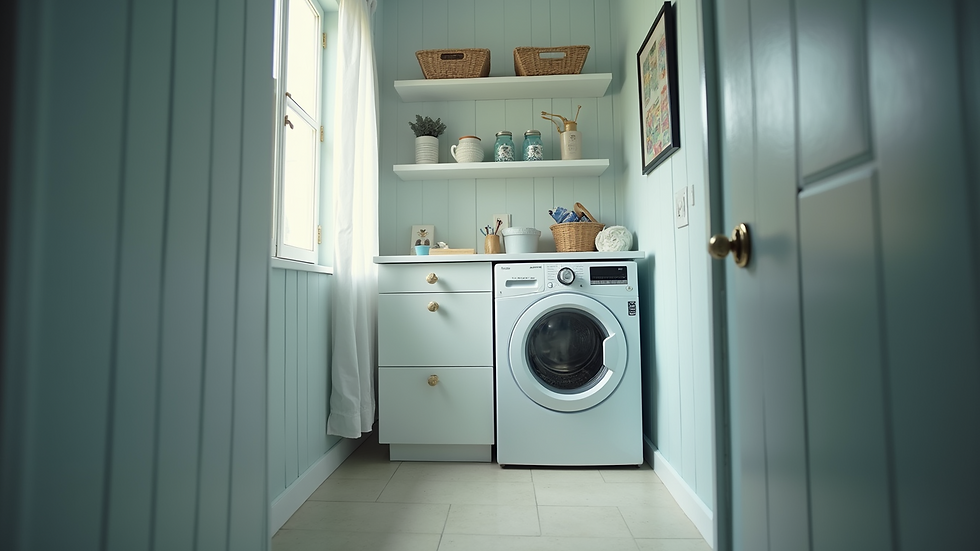
Washers and Dryers
Laundry appliances are essential, yet they often face their own set of challenges. Here’s what to look out for:
Washer Not Draining: If your washer won’t drain, check for a clogged hose or drain pump. Also, ensure you're not overloading the machine, as that can impede drainage.
Dryer Not Heating: A dryer that doesn’t warm up may have a blown fuse or a malfunctioning heating element. Check the power supply first. If that’s not the issue, you may need to replace worn-out components.
Unusual Vibrations: While some noise is normal, excessive vibrations can indicate imbalance. Redistributing the load can often solve this problem.
Dishwashers
Dishwashers are supposed to simplify cleaning up after meals, but they can sometimes underperform. Here are some common problems:
Dishes Not Getting Clean: If you notice food particles still clinging to dishes after a cycle, check the spray arms for clogs and ensure the dishwasher door seals are intact.
Leaking Water: Similar to refrigerators, a leaking dishwasher may be due to faulty seals or hoses. Inspect for cracks or loose fittings.
Unpleasant Odors: Food residues can build up and cause smells. Regular cleaning of the filter and drain will help maintain freshness.

Microwaves
Microwaves are often an afterthought in appliance repair discussions, yet they can exhibit issues too:
Not Heating: If your microwave runs but doesn’t heat, the issues could stem from a blown fuse or a defective magnetron. Evaluating these components may require professional help.
Turntable Not Rotating: A misaligned turntable or failed motor could cause this issue. Inspect the alignment and test the motor functionality.
Popcorn Noise: If the microwave makes unusual popping noises, it may just be working hard. However, any loud, persistent noises should be evaluated for damage.
When to Call for Help
While many common household appliance issues can be addressed with basic troubleshooting, some problems may require professional intervention. Here are some guidelines for when to reach out to appliance repair services:
Electrical Issues: If you notice any burning smells, sparks, or smoke, turn off the appliance immediately and seek professional help.
Major Components: If repairs involve replacing significant parts like motors or compressors, it’s often best to consult an expert.
Repeated Failures: If an appliance continues to malfunction after you’ve attempted repairs, contact a technician to explore underlying issues.
Preventive Measures
Prevention is the best cure when it comes to maintaining household appliances. Here are some actionable steps:
Regular Maintenance: Keep appliances clean and follow the manufacturer’s maintenance guidelines. This may include descaling your dishwasher or vacuuming the refrigerator coils.
Tests and Inspections: Before the seasons change, perform tests on your appliances. Ensure air conditioners are functioning correctly before summer begins.
Educate Yourself: Read the user manuals of your appliances. Understanding how they work can help you quickly identify issues.
Use Appliances Properly: Follow usage guidelines, such as not overloading washing machines or dishwashers, to reduce wear and tear.
Final Thoughts
Understanding common issues and fixes for household appliances not only saves you time and money but also enhances the longevity of your appliances. Whether you encounter fridge troubles or washing machine woes, knowing the basics can empower you to take action. For more complicated issues, don’t hesitate to seek professional help.
Keeping your appliances in good working order is essential to a well-functioning household. By incorporating regular maintenance and troubleshooting skills, you'll ensure they serve you well for years to come.


Comments