Common Issues Home Appliances Face and How to Handle Them
- henrichsenterprise
- Jun 29, 2025
- 4 min read

Home appliances are essential for our daily lives. From washing machines to refrigerators, they help us with various tasks, making our lives easier and more convenient. However, like any other tool, appliances can develop issues over time. Understanding these common problems and knowing how to handle them can save you time, money, and stress. Let’s explore some of the common issues home appliances face and how to address them effectively.

Common Appliance Repairs
One of the most frequent problems that folks encounter with home appliances is the inability to run as intended. For example, a refrigerator might fail to maintain the proper temperature, leading to spoiled food. An oven might not heat up, making it impossible to cook. Dishwashers could clog, preventing them from cleaning dishes effectively. Understanding these common appliance issues will help homeowners know when to troubleshoot and when to call a professional.
Refrigerators Fail to Cool
Refrigerators are often the workhorses of the kitchen, running 24/7 to keep our food fresh. However, they can encounter cooling issues that can lead to food spoilage. Common causes of a refrigerator failing to cool include:
Blocked Vents: If the vents inside the fridge are blocked, cold air may not circulate. Regularly check and remove any obstacles.
Faulty Thermostat: A malfunctioning thermostat can cause inconsistent temperatures. Test the thermostat for accuracy and replace it if necessary.
Dirty Condenser Coils: Dusty coils may prevent proper cooling. Clean them twice a year to ensure efficiency.
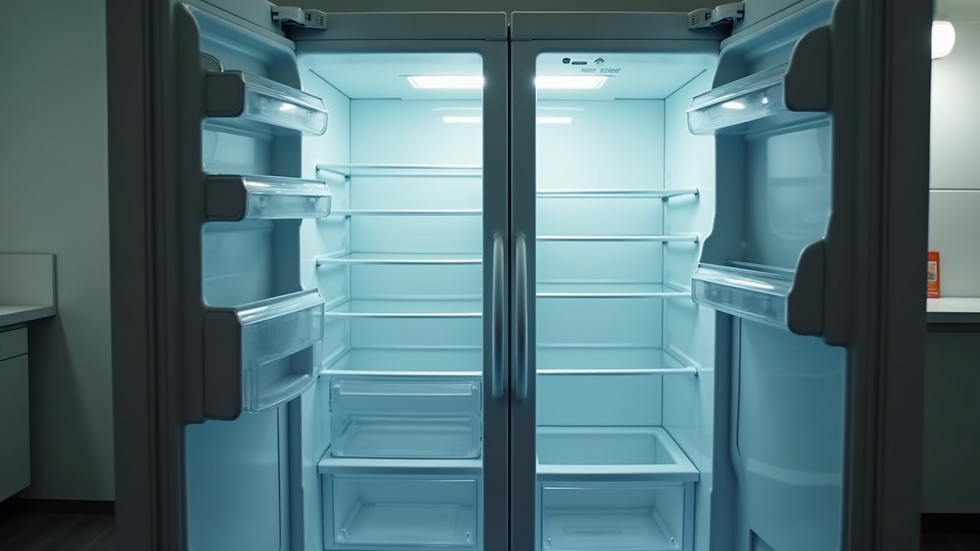
Taking preventative measures can go a long way. Most refrigerators work optimally with minimal care, making it essential to perform regular inspections.
Washing Machines Won't Spin
Imagine putting a load of laundry in the washer only to find it soaked at the end of the cycle. This is a common problem with washing machines. When a washing machine fails to spin, it can often be due to:
Overloading: Putting too many clothes in the washer can prevent it from spinning. Always check the capacity limits outlined in the manufacturer's manual.
Worn Drive Belt: The drive belt connects the motor to the drum. If it wears out, it can prevent spinning. Inspect the belt regularly and replace it if it’s frayed or broken.
Faulty Lid Switch: Washing machines have a safety mechanism that prevents spinning if the lid is open. If the lid switch is defective, the machine may fail to spin.
Regular maintenance is key to keeping your washing machine running smoothly. Consider using a cleaning cycle with specific washing machine cleaners at least once every few months.

What is someone who fixes appliances called?
A person who fixes appliances is often referred to as an appliance repair technician or specialist. They are skilled professionals who can diagnose and repair all kinds of appliance issues, providing invaluable service to homeowners. The right technician can fix problems ranging from minor repairs to complex electrical issues. When searching for someone to handle your appliance repairs, it’s essential to look for certified and experienced individuals.
Find a technician who specializes in the appliance in question. For example, a technician who focuses on refrigerators might not have the same expertise with stoves. This specialization ensures that the repair is done correctly the first time.
Oven Not Heating
A malfunctioning oven can be especially frustrating when preparing meals. Common causes for ovens failing to heat include:
Igniter Issues: Gas ovens utilize igniters. If the igniter is faulty, the oven won’t produce heat. Consider testing and replacing the igniter if it doesn’t glow orange.
Heating Element Problems: Electric ovens employ heating elements. Ensure both the bake and broil elements are working. Replace any elements that appear to be damaged or burnt out.
Faulty Thermostat: Just like refrigerators, ovens have thermostats that regulate temperature. A faulty thermostat can prevent the oven from reaching the desired heat levels.
Regularly check for any issues during pre-heating. If your oven consistently takes longer than usual to heat, it might be time to contact a professional.
Dishwashers Clogging
Dishwashers provide a convenient way to clean dishes, but they can experience clogs that hinder performance. Some common clogging issues include:
Food Particles Blocking Spray Arms: Over time, food particles can block the spray arms, reducing efficiency. Regularly remove and clean the spray arms.
Filter Issues: Dishwashers have filters that can easily get clogged with debris. Check and clean the filter frequently according to manufacturer instructions.
Drainage Problems: If the drain hose is kinked or blocked, water cannot exit the machine properly. Inspect the hose and ensure it is clear.
To maintain your dishwasher in excellent condition, consider running a cleaning cycle with dishwasher cleaner once a month.
The Importance of Regular Maintenance
Ignoring appliance issues can lead to severe consequences, including costly repairs or complete appliance failure. Here are some tips to help you stay on top of maintenance:
Read the Manual: Familiarize yourself with your appliances' needs. Each one has unique instructions for maintenance and common issues.
Set Reminders: Use your phone or calendar to schedule maintenance checks. Remember to clean filters, check seals, and inspect hoses periodically.
Hire Professionals: For complicated problems, don't hesitate to reach out to appliance repair services. A skilled technician can safely diagnose and resolve issues.

Common Signs It's Time to Call a Technician
While some issues may be resolved with DIY efforts, not all can be fixed easily. Recognizing when to call in a professional is essential. Here are some signs that indicate it’s time to seek help:
Unusual Noises: Strange sounds from your appliances can indicate mechanical issues. Grinding, buzzing, or knocking sounds often require a technician’s expertise.
Frequent Breakdowns: If you find yourself making repairs often, consider contacting a professional. Frequent breakdowns can signify deeper issues.
Burning Smells: A burning smell coming from your appliance is a sign of serious trouble. Turn off the appliance immediately and call for a technician.
Understanding when to intervene and when to get professional help can save time and money in the long run.
Final Thoughts
Home appliances make life convenient, but they are not without their challenges. By being proactive about maintenance and having an understanding of common issues, you can ensure that your appliances run smoothly.
Remember to perform regular checks, clean components, and be mindful of unusual signs that might indicate a problem. With this knowledge, you can handle minor issues yourself while knowing when to get expert assistance for more significant concerns. After all, a functioning appliance is crucial for a smooth-running home. Keep these tips in mind, and you’ll not only extend the life of your appliances but also enjoy a more efficient household.


Comments